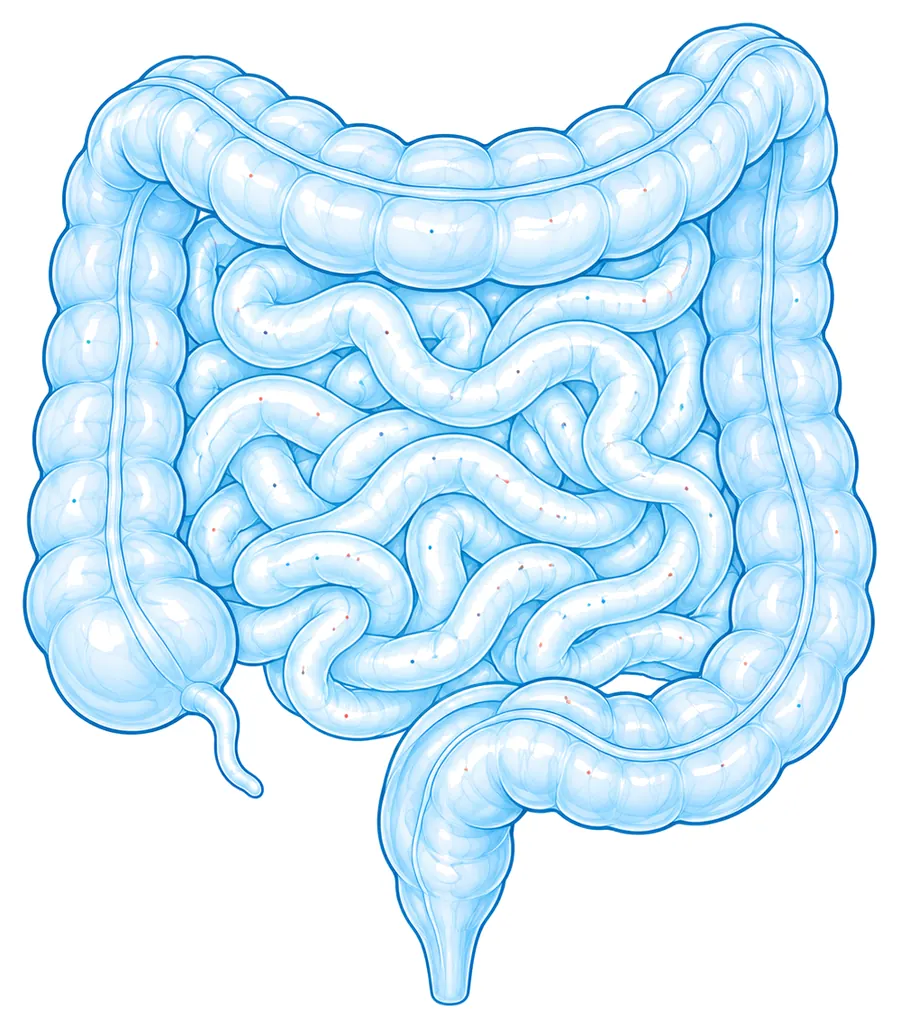
What probiotics can do for antibiotic-associated diarrhea
Antibiotics can change the mix of bacteria in your gut. One possible side effect is loose or watery stools during or after treatment. This is called antibiotic-associated diarrhea. Probiotics contain live bacteria or yeast, and researchers have tested whether taking certain ones during an antibiotic course can make diarrhea less likely. [1][2]
A 2025 Cochrane review found that probiotics may reduce the risk of antibiotic-associated diarrhea compared with placebo or no probiotic. The reviewers had limited confidence in the size of the benefit. The studies used different products and included adults and children in different care settings. That makes it hard to predict how much a particular product will help you or your child. [2]
The studies looked at preventing diarrhea. If you already have diarrhea during or after an antibiotic course, contact your doctor or the clinician who prescribed it promptly. They can help you figure out the cause and whether you need testing or a change in treatment. [2][4]
How C. diff prevention differs
C. diff is short for Clostridioides difficile, a bacterium that can cause diarrhea and swelling in the colon. Antibiotic use raises the risk of this infection. Diarrhea during or after antibiotics has several possible causes. A clinician may order a stool test for C. diff and interpret the result alongside your symptoms. Some people carry C. diff without being sick, so testing is generally avoided in babies 12 months old or younger. [4][14]
| What researchers studied | What they found |
|---|---|
| Antibiotic-associated diarrhea overall | Certain probiotics may lower the risk. The size of the benefit varies across studies. [1][2] |
| Diarrhea caused by C. diff | The Cochrane review found a possible small benefit overall. Its largest studies showed no clear benefit for this outcome. [2] |
| Treatment of an active C. diff infection | The American Gastroenterological Association advises using probiotics only in a clinical trial for this purpose. An active infection needs medical evaluation and treatment. [4][5] |
The American Gastroenterological Association’s 2026 expert update advises adults against using probiotics to prevent a first or repeat C. diff infection. The American College of Gastroenterology’s 2021 adult guideline also advises against both uses. An earlier American Gastroenterological Association guideline from 2020 conditionally suggested S. boulardii or certain bacterial combinations for adults and children taking antibiotics, based on low-certainty evidence. If you’ve had C. diff before and need another antibiotic, tell the prescriber. [5][6][7]
Which probiotic strains have been studied?
Two of the better-studied options for preventing antibiotic-associated diarrhea are Lactobacillus rhamnosus GG and Saccharomyces boulardii. The NIH Office of Dietary Supplements summarizes evidence of benefit in children and some adults, with less clear evidence in older adults. [1]
- Lactobacillus rhamnosus GG (LGG) is a bacterium. You may see the newer name Lacticaseibacillus rhamnosus GG. The letters GG identify the strain studied. A label that lists only L. rhamnosus leaves you without that detail. [1]
- Saccharomyces boulardii is a yeast. It has been studied for preventing antibiotic-associated diarrhea in both adults and children. It was also one of the options named in the older C. diff prevention guideline. [1][5]
The best probiotic to take with antibiotics is still uncertain. Researchers have rarely compared products directly, and a longer list of strains does not show that a blend works better. If you’re considering a supplement, show the label to your pharmacist or doctor and ask whether the exact strain or mix has been studied for the reason you want to use it. [1][2][3]
When to take a probiotic with antibiotics
If you and your clinician decide to use a probiotic to prevent diarrhea, studies that found a benefit usually started it early in the antibiotic course. The ideal schedule and how long to keep taking it after the last antibiotic dose are still unclear. [1][8]
For a bacterial probiotic such as LGG, the International Scientific Association for Probiotics and Prebiotics says a 2-hour gap between the probiotic and antibiotic may be sensible if it fits your prescribed antibiotic schedule. The idea is to reduce the chance that the antibiotic kills the bacteria in the supplement. Studies haven’t directly compared different spacing schedules, so the gap is a practical suggestion. [8]
S. boulardii is a yeast probiotic, so the suggested gap for bacterial probiotics does not apply. If you take an antifungal by mouth or by injection, check with your pharmacist before using S. boulardii. Antifungals can reduce its effect. Avoid S. boulardii if you have a yeast allergy. [8][15]
Take your antibiotic exactly as prescribed for you. Keep your prescribed antibiotic schedule if the suggested probiotic gap is hard to fit in. Never use leftover antibiotics or take antibiotics prescribed for someone else. If you’re unsure how to fit a probiotic around your medicine or meals, ask your pharmacist to check the instructions for both. [8][9][10]
Who should check with a doctor first?
Check with your healthcare team before starting any probiotic supplement if you have a weakened immune system, are seriously ill, or have a central line. Avoid S. boulardii if you have a central line, are critically ill, or have a weakened immune system. The yeast can cause a serious bloodstream infection. [1][3][12][15]
If you’re unsure whether an illness or treatment affects your immune system, check with the clinician who manages it before adding a probiotic. If you’re pregnant or breastfeeding, check with your clinician before taking S. boulardii. Safety information for this supplement during pregnancy and breastfeeding is limited. [3][15]
For a child, ask their pediatrician whether the expected benefit makes sense for their age and health. Premature infants are at particular risk. Serious and sometimes fatal infections have been reported in premature infants who were given probiotics. Their medical team should make that decision. [1][3]
Healthy people generally tolerate probiotics, though they can cause gas. If you notice new diarrhea while taking an antibiotic, contact your clinician promptly, even if it started after you added a probiotic. [1][3][4]
Yogurt, probiotic drinks, and supplements
Yogurt and some fermented drinks contain live bacteria. The words “live cultures” tell you that a food contains live microbes. They don’t tell you whether it contains the same strain or amount used in a study on antibiotic-associated diarrhea. The same issue applies to a supplement that lists a general blend without naming the strains. [1]
If you’re looking for a product that matches the research, the strain name is more useful than a broad claim about gut health. The label may list CFU, short for colony-forming units, a measure of live microbes that can grow under test conditions. Look for a count stated through the expiration date, since the number of live microbes can fall during storage. A higher CFU count alone does not show that it will work better. [1]
Check your antibiotic’s food instructions before taking it with yogurt or a probiotic drink. For example, take oral ciprofloxacin with water. Avoid taking it with milk, yogurt, or calcium-fortified juice on its own. You can take ciprofloxacin with a meal that includes these foods or drinks. If your supplement contains added minerals such as calcium, iron, or zinc, ask your pharmacist to check the timing. Ciprofloxacin has separate spacing instructions for mineral supplements. [10][16]
When to call for help
Contact your healthcare clinician promptly if diarrhea starts while you’re taking antibiotics or after you finish. Tell them which antibiotic you took and when the diarrhea began. Mention fever, belly pain or tenderness, and any past C. diff infection. If a dentist prescribed the antibiotic, let the dental office know so they can advise you about the prescription. A medical clinician can evaluate you for C. diff if needed. [4][9]
Get urgent care: Get medical help right away if you have bloody or black, tarry stools, severe belly pain, high fever, or signs of dehydration such as very little urine or dizziness. Get medical help right away for diarrhea in a baby younger than 12 months. [13]
Call 911 for a severe allergic reaction. Trouble breathing, throat or tongue swelling, or passing out after taking a medicine or supplement can be signs of anaphylaxis. Use your prescribed epinephrine right away if you have it, and call 911 immediately. [11]
Call your pharmacist if your question is about spacing a probiotic, reading the supplement label, or whether you can take your antibiotic with yogurt or a probiotic drink. Have the antibiotic name and the probiotic label handy so the pharmacist can check the specific combination. [1][8][10]
Frequently asked questions
Can I take probiotics and antibiotics at the same time?
You can use them during the same course if a probiotic is appropriate for you. For a bacterial probiotic such as LGG, a 2-hour gap may be sensible if it fits your prescribed antibiotic schedule, though the best timing is uncertain. The gap may reduce the chance that the antibiotic kills the bacteria in the supplement. Keep your prescribed antibiotic schedule if the gap is hard to fit in. [3][8][9]
Can I drink a probiotic drink while taking antibiotics?
Often, yes. Check your antibiotic’s food and drink instructions. If you take oral ciprofloxacin, take it with water and have milk, yogurt, or calcium-fortified juice only as part of a meal when taking your dose. If the drink contains added minerals such as calcium, iron, or zinc, ask your pharmacist whether separate spacing instructions apply. A probiotic drink may contain different strains from the ones studied for preventing diarrhea. [1][10][16]
Do I need probiotics after I finish antibiotics?
There’s no standard length of time to take a probiotic after antibiotics. Some prevention studies continued probiotics after the antibiotic course, but the best schedule is unknown. If diarrhea starts after you finish, contact your clinician promptly. [4][8]
Can I give my child a probiotic with antibiotics?
Ask your child’s pediatrician first. LGG and S. boulardii have evidence for preventing antibiotic-associated diarrhea in children. Your child’s health affects whether a probiotic is appropriate. Avoid S. boulardii if your child has a central line, is critically ill, or has a weakened immune system. [1][3][12][15]
Will probiotics stop diarrhea I already have from antibiotics?
The evidence discussed here comes from studies that aimed to prevent diarrhea. If diarrhea has already started, contact your doctor or the prescribing clinician promptly. If they order a stool test for C. diff, they’ll interpret it alongside your symptoms because people can carry the bacteria without being sick. Testing is generally avoided in babies 12 months old or younger. [2][4][14]
Sources
- Probiotics: Fact Sheet for Health Professionals. NIH Office of Dietary Supplements. https://ods.od.nih.gov/factsheets/Probiotics-HealthProfessional/
- Probiotics for the prevention of Clostridioides difficile-associated diarrhea in adults and children. Cochrane. 2025.
- Probiotics: Usefulness and Safety. National Center for Complementary and Integrative Health. https://www.nccih.nih.gov/health/probiotics-usefulness-and-safety
- About C. diff. Centers for Disease Control and Prevention. https://www.cdc.gov/c-diff/about/index.html
- Role of probiotics in the management of gastrointestinal disorders. American Gastroenterological Association. https://gastro.org/clinical-guidance/role-of-probiotics-in-the-management-of-gastrointestinal-disorders/
- ACG Clinical Guidelines: Prevention, Diagnosis, and Treatment of Clostridioides difficile Infections. American College of Gastroenterology. https://doi.org/10.14309/AJG.0000000000001278
- AGA Clinical Practice Update on Management of Clostridioides difficile Infection in Adults: Expert Review. Clinical Gastroenterology and Hepatology. 2026.
- Clinician Resource: Probiotic Use Alongside Antibiotics. International Scientific Association for Probiotics and Prebiotics. https://isappscience.org/wp-content/uploads/2024/12/ISAPP-Clinician-resource-probiotic-use-alongside-antibiotics.pdf
- Healthy Habits: Antibiotic Do’s and Don’ts. Centers for Disease Control and Prevention. https://www.cdc.gov/antibiotic-use/about/
- Ciprofloxacin. MedlinePlus. https://medlineplus.gov/druginfo/meds/a688016.html
- Anaphylaxis. MedlinePlus Medical Encyclopedia. https://medlineplus.gov/ency/article/000844.htm
- Fungemia and Other Fungal Infections Associated with Use of Saccharomyces boulardii Probiotic Supplements. Emerging Infectious Diseases. https://wwwnc.cdc.gov/eid/article/27/8/21-0018_article
- Symptoms & Causes of Diarrhea. National Institute of Diabetes and Digestive and Kidney Diseases. https://www.niddk.nih.gov/health-information/digestive-diseases/diarrhea/symptoms-causes
- Clinical Practice Guidelines for Clostridium difficile Infection in Adults and Children. Infectious Diseases Society of America and Society for Healthcare Epidemiology of America. https://www.idsociety.org/practice-guideline/clostridium-difficile/
- Saccharomyces boulardii. MedlinePlus. https://medlineplus.gov/druginfo/natural/332.html
- CIPRO prescribing information and Medication Guide. DailyMed. https://dailymed.nlm.nih.gov/dailymed/drugInfo.cfm?setid=888dc7f9-ad9c-4c00-8d50-8ddfd9bd27c0
This guide is general information written from the sources listed above and checked in November 2026. It does not replace advice from your own doctor, dentist or pharmacist.