When antibiotics help and when they don’t
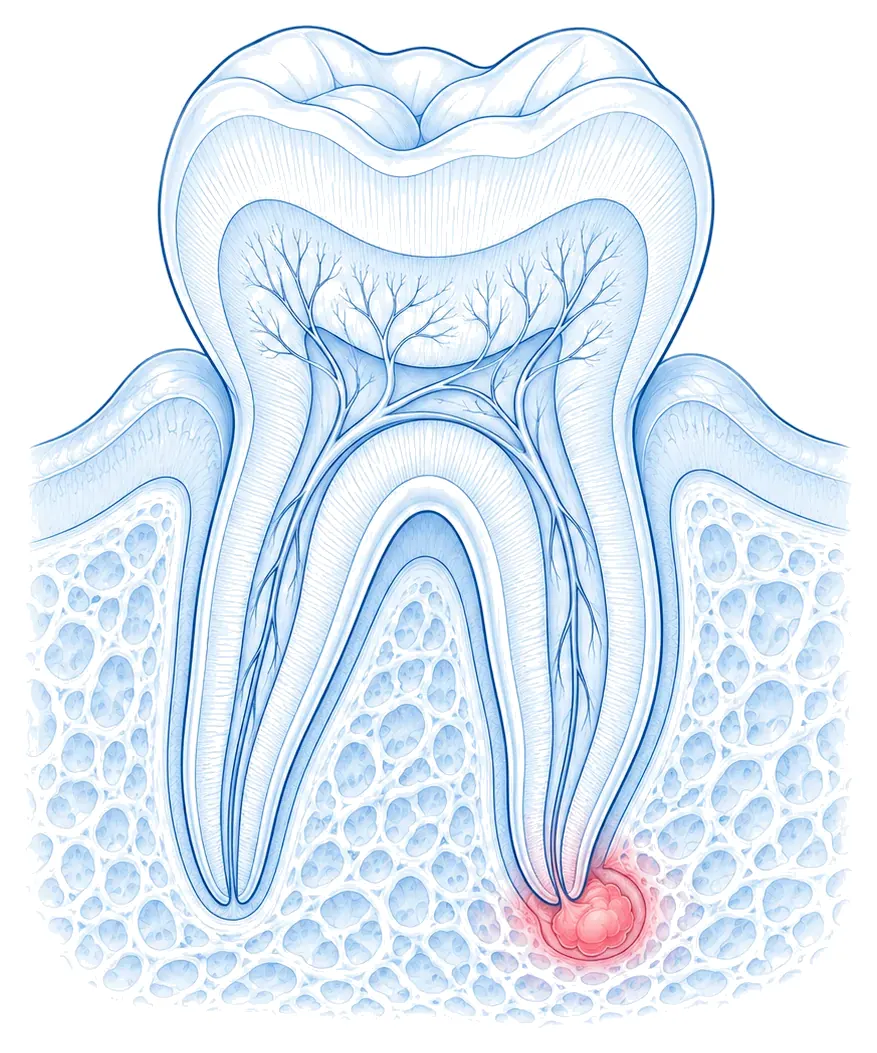
A dental abscess is a pocket of pus caused by a bacterial infection. A tooth can also hurt because the soft tissue inside it is inflamed. Pain alone can’t tell you whether you have an abscess or need antibiotics. The dentist looks at where the pain and swelling are and whether there are signs the infection has spread. [1][3][4]
| Sign | When antibiotics may help | When dental care is the main treatment |
|---|---|---|
| Toothache with no swelling, fever, or general illness | Pain alone usually gives the dentist little reason to prescribe an antibiotic. [1][2] | The dentist checks what’s causing the pain. An inflamed tooth nerve may need a dental procedure. [1][4] |
| A pus-filled bump or swelling next to one tooth | An antibiotic may be prescribed if the dentist confirms an acute abscess at the root and treatment can’t happen right away. [2] | When an acute abscess at the root is limited to the area around the tooth and can be treated promptly with a root canal or drainage, dental treatment alone is usually enough for an otherwise healthy adult. [1][2] |
| Tooth pain or swelling with fever or feeling generally ill | These are signs the infection may be affecting the rest of the body. A dentist typically adds an antibiotic. [1][2] | The tooth still needs urgent treatment to clear the source. [1][2] |
| Swelling spreading into the face or neck | A spreading infection may need antibiotics and emergency treatment. [2][3][5] | Emergency assessment comes first. Treatment may also include drainage. [3][5] |
| Sore, swollen gum around a partly erupted wisdom tooth | For pericoronitis, a dentist may prescribe an antibiotic if the infection spreads, causes fever or a general feeling of illness, or swelling persists after the dentist cleans the area. [6][27] | Cleaning around the tooth is usually the first step. [7][27] |
When to see a dentist
- Call your dentist promptly for a persistent toothache, pain when you bite, a swollen gum, a pus-filled bump, or a bad taste that comes with tooth pain or swelling. Mention any swelling when you call so the office can judge how quickly you need to be seen. [3][4][8]
- Call even if the pain suddenly stops. An abscess can drain and relieve pressure, but the infection can still be there. Keep your dental appointment if the bump goes down or the tooth feels better. [3][4]
- Seek urgent dental care today if you develop a fever or feel generally ill along with tooth pain or gum swelling. If you have facial swelling with fever, go to the emergency department right away. [2][3][5]
- Tell the dentist if you have a weakened immune system. The standard adult antibiotic guidance applies to people with a healthy immune system. Your dentist may need to make a different plan based on your health. [1][6]
- Tell your dentist if you’re pregnant. Seek care promptly if you suspect an abscess. A dentist can perform urgent procedures such as a root canal or extraction at any stage of pregnancy. [26]
- Call your child’s dentist promptly if you think your child has an abscess. If your child has facial swelling from a tooth, seek urgent dental assessment. Go to the emergency department right away if the swelling is spreading or your child also has a fever or trouble swallowing. Call 911 if your child has trouble breathing. [9][10]
Get urgent care: Call 911 if you have trouble breathing. Go to the emergency department right away if you have trouble swallowing or speaking, swelling that’s getting bigger quickly or spreading into your face or neck, extensive swelling inside your mouth, difficulty opening your mouth, a swollen or painful eye, or sudden changes in your vision. [3][5][6][10]
What the dentist checks
The dentist will ask where the pain started, whether biting or hot and cold foods make it worse, and whether you’ve noticed swelling or felt feverish. They’ll look at the tooth and nearby gums and may gently tap the tooth to see if it’s tender. A dental X-ray can help find the tooth causing the problem and show where the infection is. [3][4]
A dentist also checks whether the swelling is limited to the gum next to the tooth or has spread farther. That distinction helps determine whether dental treatment alone is likely to be enough or whether you also need antibiotics or emergency care. [1][2][3]
What the dentist does first depends on where the infection is and whether the tooth can be saved. If pus has collected in the gum, the dentist may make a small opening to drain it. A root canal removes infected tissue from inside the tooth so the tooth can be kept. If the tooth is too damaged to repair, the dentist may extract it. Drainage can relieve pressure, and you may still need a root canal or extraction to treat the source. [3][4]
If you are prescribed an antibiotic
The American Dental Association’s 2019 guideline covers urgent pain and swelling from problems inside a tooth or around its root in adults 18 and older with healthy immune systems and no other medical conditions that affect care. For most of these problems, including a localized acute abscess at the root, the guideline recommends dental treatment such as a root canal or drainage without antibiotics when that treatment is available right away. If an acute abscess at the root can’t be treated promptly, the dentist may prescribe an antibiotic while arranging urgent dental care. Fever or feeling ill because of the infection is another reason to add antibiotics. [1][2][19]
For the adult tooth-root infections covered by the ADA guideline, amoxicillin is generally preferred when an antibiotic is needed. Penicillin V potassium is another first-line option. The guideline gives prescribers a range of 3 to 7 days for these medicines and recommends a check-in within 3 days. For these infections, the ADA advises prescribers to tell patients to stop 24 hours after their symptoms have fully resolved. Follow the stop instructions your dentist gives you, and call if you’re unsure when to stop. [2][19]
Before you start an antibiotic, tell your dentist about any drug allergy and what happened. Tell them if you’re pregnant or breastfeeding, have kidney or liver disease, have a weakened immune system, or have had C. diff. Give your dentist or pharmacist a list of everything you take, including over-the-counter medicines and supplements. Mention warfarin, allopurinol, or probenecid if amoxicillin is being considered. [11][20][24]
Take antibiotics exactly as prescribed. Keep the appointment to treat the tooth, even if the pain and swelling improve. Call your dentist if swelling or pain gets worse or you develop a fever while taking the medicine. [2][3][13]
Contact the prescriber promptly if you develop a rash or diarrhea while taking an antibiotic. Call a healthcare professional promptly if you have persistent watery diarrhea or bloody stools during or after treatment, especially if you also have fever or stomach cramps. These can be signs of a C. diff infection. Get emergency care for a rash with blisters, peeling skin, or mouth sores. Call 911 if you have trouble breathing, your lips, tongue, or throat swell, or you feel faint after taking the antibiotic. [13][14][20][21]
Feel better at home
These steps can ease pain while you arrange dental care. An abscess needs treatment even if you feel better at home. [3][5]
- Use an over-the-counter pain reliever if it’s safe for you. Ibuprofen or acetaminophen may ease dental pain while you arrange care. Follow the product label. Ask a clinician or pharmacist before taking ibuprofen if you have kidney disease, have had stomach ulcers or bleeding, or take a blood thinner. The risk of stomach bleeding with ibuprofen is higher at age 60 or older. If you’re pregnant, check before taking ibuprofen and avoid it from 20 weeks onward unless your clinician specifically advises it. Ask before taking acetaminophen if you have liver disease, and use only one product containing acetaminophen at a time. For a child, use an age-appropriate product and ask a pharmacist or pediatric clinician if you’re unsure which product or dose to use. [15][22][23]
- Try a gentle warm saltwater rinse if you can rinse and spit it out. It may ease discomfort while you wait for the dentist. [16]
- Choose soft foods. If very hot or cold foods and drinks make the tooth hurt, avoid them until you’re seen. [5]
- Use a soft toothbrush. Clean your teeth gently around the sore area. [5]
What to do if it starts on a weekend
Call your regular dentist, even if the office is closed. Listen to the voicemail for an after-hours number or instructions for reaching the dentist on call. If you can’t reach anyone and you have signs of an abscess, contact an emergency dental office. Tell them if you have gum or facial swelling, drainage, fever, or pain that’s getting worse. That information helps them decide how quickly to see you. [3][8][17]
A dental office is usually the right place for a toothache or a small area of gum swelling because the dentist can treat the tooth. The emergency room can assess a spreading infection and check whether swelling is affecting your airway. If you have the emergency signs above, get help right away, even if you already have a dental appointment. [3][5][16]
Wisdom tooth infections
A wisdom tooth that has only partly come through can leave a flap of gum over part of the tooth. Food and bacteria can collect underneath it and cause a painful gum infection called pericoronitis. The dentist can clean under the flap and check whether the tooth has room to come in. If the problem keeps coming back, the dentist may discuss removing the wisdom tooth. [6][7]
For pericoronitis, a dentist may prescribe an antibiotic if the infection spreads, causes fever or a general feeling of illness, or swelling persists after the dentist cleans the area. [6][27]
If you recently had a wisdom tooth removed and develop fever, severe pain, or pus from the socket, call the dentist or oral surgeon who treated you. [18]
Frequently asked questions
What is the best antibiotic for a tooth infection?
It depends on what the dentist finds and whether you have a drug allergy. When an otherwise healthy adult needs an antibiotic for a tooth-root infection, amoxicillin is generally the ADA’s preferred first choice. Penicillin V potassium is also a first-choice option. The dental procedure you need depends on what’s causing the infection. [1][2]
Is doxycycline used for a tooth infection?
Doxycycline isn’t among the routine options in the ADA guideline for an urgent abscess at the root of a tooth. If you have a penicillin allergy, tell your dentist exactly what happened so they can choose a suitable antibiotic if you need one. The CDC advises dentists to avoid clindamycin when another suitable antibiotic is available because clindamycin carries a higher risk of severe C. diff infection. [2][24][25]
Are there over-the-counter antibiotics for a tooth infection?
No. Treating a tooth infection with an antibiotic requires a prescription. Over-the-counter pain relievers can ease a toothache while you arrange care, but the dentist still needs to check and treat the cause. Never take leftover antibiotics or medicine prescribed for someone else. [3][13][15]
Can natural antibiotics get rid of a tooth abscess?
A warm saltwater rinse may ease discomfort temporarily. The abscess still needs dental treatment. Call a dentist even if a home remedy seems to help. [3][4][16]
Will antibiotics get rid of a tooth abscess without a root canal?
Antibiotics can help control infection when they’re needed, but they can’t remove infected tissue from inside a tooth. A root canal can save some teeth. If the tooth can’t be saved, extraction treats the source. Your dentist may also need to drain the pus. [3][4]
Sources
- Antibiotics for Dental Pain and Swelling Guideline (2019). American Dental Association. https://www.ada.org/resources/research/science/evidence-based-dental-research/antibiotics-for-dental-pain-and-swelling/
- Dentists: Be Antibiotics Aware — Treating Patients with Dental Pain and Swelling. Centers for Disease Control and Prevention. https://www.cdc.gov/antibiotic-use/media/pdfs/ada-treatment-guidelines-508.pdf
- Tooth Abscess: Symptoms, Causes & Treatment. Cleveland Clinic. https://my.clevelandclinic.org/health/diseases/10943-abscessed-tooth
- Tooth Abscess. MedlinePlus Medical Encyclopedia. https://medlineplus.gov/ency/article/001060.htm
- Dental Abscess. NHS. https://www.nhs.uk/conditions/Dental-abscess/
- Bacterial Infections. Scottish Dental Clinical Effectiveness Programme, NHS Education for Scotland. https://sdcepdentalprescribing.nhs.scot/guidance/bacterial-infections/
- Pericoronitis: Symptoms, Causes & Treatment. Cleveland Clinic. https://my.clevelandclinic.org/health/diseases/24142-pericoronitis
- Dental Emergencies. MouthHealthy, American Dental Association. https://www.mouthhealthy.org/dental-care/dental-emergencies/
- Use of Antibiotic Therapy for Pediatric Dental Patients. American Academy of Pediatric Dentistry. https://www.aapd.org/media/policies_guidelines/bp_antibiotictherapy.pdf
- Breathing Difficulties — First Aid. MedlinePlus Medical Encyclopedia. https://medlineplus.gov/ency/article/000007.htm
- Amoxil Prescribing Information. U.S. Food and Drug Administration. https://www.accessdata.fda.gov/drugsatfda_docs/label/2024/050542s032lbl.pdf
- Section 2, Technical Specifications. Agency for Healthcare Research and Quality. https://www.ahrq.gov/sites/default/files/wysiwyg/pqmp/measures/chronic/chipra-0138-section-2.pdf
- Healthy Habits: Antibiotic Do’s and Don’ts. Centers for Disease Control and Prevention. https://www.cdc.gov/antibiotic-use/about/
- Anaphylaxis. MedlinePlus Medical Encyclopedia. https://medlineplus.gov/ency/article/000844.htm
- Oral Analgesics for Acute Dental Pain. American Dental Association. https://www.ada.org/resources/ada-library/oral-health-topics/oral-analgesics-for-acute-dental-pain
- Dental Emergencies: What To Do and When To Go to the ER. Cleveland Clinic. https://my.clevelandclinic.org/health/articles/11368--dental-emergencies-what-to-do
- Emergency Patient Treatment. American Dental Association. https://www.ada.org/resources/practice/practice-management/emergency-treatment
- Wisdom Teeth Removal: Procedure & Recovery. Cleveland Clinic. https://my.clevelandclinic.org/health/treatments/22119-wisdom-teeth-removal
- Evidence-Based Clinical Practice Guideline on Antibiotic Use for the Urgent Management of Pulpal- and Periapical-Related Dental Pain and Intraoral Swelling. Journal of the American Dental Association. https://jada.ada.org/article/S0002817719306178/pdf
- Amoxicillin Prescribing Information. DailyMed. https://dailymed.nlm.nih.gov/dailymed/drugInfo.cfm?setid=a5c323c8-ae13-4eda-a9bf-173a0676bf9d
- C. diff Symptoms During or After Antibiotic Treatment. Centers for Disease Control and Prevention. https://www.cdc.gov/c-diff/media/pdfs/cdiff-progression-p.pdf
- Acetaminophen and Ibuprofen Drug Facts. DailyMed. https://dailymed.nlm.nih.gov/dailymed/drugInfo.cfm?setid=bd0d7812-4e42-b533-e053-2995a90ae1f9
- FDA Recommends Avoiding Use of NSAIDs in Pregnancy at 20 Weeks or Later. U.S. Food and Drug Administration. https://www.fda.gov/drugs/drug-safety-and-availability/fda-recommends-avoiding-use-nsaids-pregnancy-20-weeks-or-later-because-they-can-result-low-amniotic
- Checklist for Antibiotic Prescribing in Dentistry. Centers for Disease Control and Prevention. https://www.cdc.gov/antibiotic-use/media/pdfs/dental-fact-sheet-508.pdf
- Antibiotic Stewardship Strategies: Outpatient Dental Settings. Centers for Disease Control and Prevention. https://www.cdc.gov/antibiotic-use/media/pdfs/Core-Elements-Outpatient-Dental-508.pdf
- Pregnancy. American Dental Association. https://www.ada.org/resources/ada-library/oral-health-topics/pregnancy
- Acute Periodontal Conditions. Scottish Dental Clinical Effectiveness Programme, NHS Education for Scotland. https://www.sdcepdentalprescribing.nhs.scot/guidance/bacterial-infections/acute-periodontal-conditions/
This guide is general information written from the sources listed above and checked in November 2026. It does not replace advice from your own doctor, dentist or pharmacist.