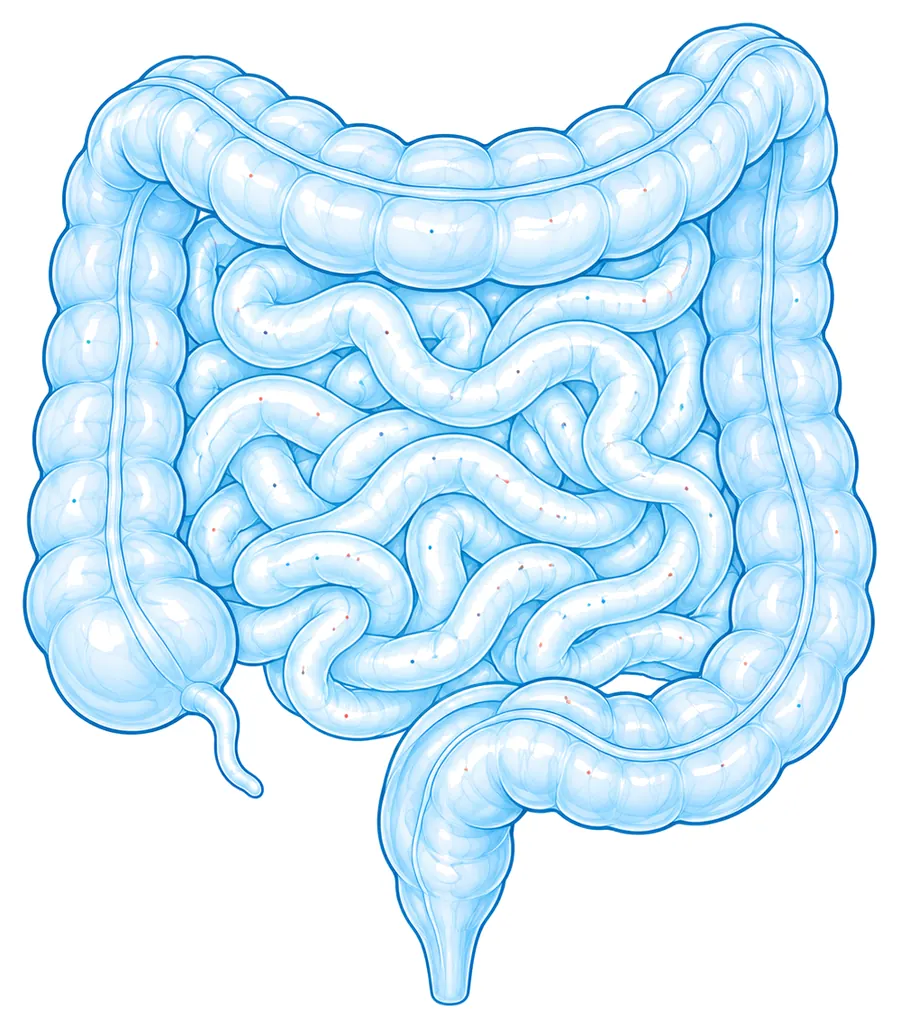
Why antibiotics cause diarrhea
Antibiotics treat certain bacterial infections by killing bacteria or stopping them from multiplying. [26] They can also reduce the number of helpful bacteria in your gut that aid digestion. That change can lead to loose stools and give harmful bacteria such as Clostridioides difficile, often called C. diff, a chance to grow and inflame the large intestine. [1][2]
Mayo Clinic estimates that about 1 in 5 people who take antibiotics get antibiotic-associated diarrhea. Nearly any antibiotic can cause it, and most people who develop it have mild symptoms. Loose stools can start within hours or a few days of starting the medicine. Mild symptoms often improve while you’re still taking the antibiotic or shortly after you finish it. [1]
A stomach virus, food poisoning, or another medicine can also cause diarrhea. When you call, tell the clinician when the diarrhea began and when you started or finished the antibiotic. [2][5]
Mild diarrhea vs. possible C. diff
Mild antibiotic-related diarrhea can involve looser or more frequent stools that start to settle. With C. diff, diarrhea can become frequent or severe. Other symptoms can include lower belly cramps or tenderness, fever, nausea, and loss of appetite. C. diff can start while you take an antibiotic or after you finish it. [1][2]
| What you notice | What to do |
|---|---|
| Loose stools that are easing and you can drink normally | Keep replacing fluids and contact a healthcare professional. If a dentist prescribed the antibiotic, also let the dental office know. [2][6][20] |
| Three or more new loose or watery stools in 24 hours during or after antibiotic treatment | Call promptly, even if you feel otherwise well. A clinician may consider a C. diff stool test if there’s no clear explanation, such as a laxative. [4][7][19] |
| Diarrhea with fever, belly pain or cramps, or a small amount of red blood in the stool | Call a medical clinician right away. [1][5][15] |
| Black, tarry stools or a large amount of blood in the stool | Go to the emergency department. Call 911 if bleeding makes you feel faint or you pass out. [11][15] |
Knowing how many loose stools you’ve had helps the clinician decide what to check. A stool test can help diagnose C. diff when your symptoms fit. Some people carry C. diff without being sick, so a positive test alone does not prove it’s causing the diarrhea. Clinicians usually avoid routine testing in babies 12 months and younger and look for other causes first in children younger than 2. [7][19]
Tell the clinician if you’re 65 or older, have had C. diff before, recently stayed in a hospital or nursing home, or have a weakened immune system. These factors can raise your risk of C. diff. [2][7]
What to do while you wait for advice
Replace lost fluids. Drink water and fluids that contain electrolytes, such as broth. Electrolytes are salts and minerals you lose with diarrhea. If nausea makes it hard to drink, try small sips. An oral rehydration solution can help replace fluids and electrolytes. If you’re an older adult, have kidney disease, diabetes, or a weakened immune system, or have been told to limit fluids, ask your clinician before using an oral rehydration solution. Ask which fluids to drink and how much. [6][8][9]
Check what to do about your next antibiotic dose. For mild loose stools, take the antibiotic as prescribed while you contact the prescriber. If the diarrhea is frequent, worsening, or bloody, get medical advice right away about the next dose. Follow any stop instructions for your specific antibiotic. Oral clindamycin carries a boxed warning for severe C. diff diarrhea. If you develop significant diarrhea while taking it, stop it and seek medical advice right away. If you’ve already finished the course, tell the clinician which medicine you took and when. [2][3][6][7][16]
Check before using medicine to stop diarrhea. Avoid loperamide if C. diff is suspected or if you have bloody or black stools. Get medical advice right away for suspected C. diff or a small amount of red blood. Go to the emergency department for black, tarry stools or a large amount of blood. Ask a doctor before using loperamide if you have fever, mucus in your stool, liver disease, or a history of abnormal heart rhythm. If you’re pregnant or breastfeeding, ask a healthcare professional first. If you take prescription medicine, ask a doctor or pharmacist to check for interactions. Ask your child’s clinician before giving any diarrhea medicine. [8][10][15][17]
When to call and when to get emergency help
If a dentist prescribed the antibiotic, notify the dental office so it can advise you about the prescription. If you develop fever, belly cramps, or three or more loose stools in 24 hours, contact your primary care office or seek urgent medical care without waiting for the dental office to call back. [2][4][20]
Contact a healthcare professional when diarrhea develops during or after antibiotic treatment. If you’re an adult who’s already received advice, call again if the diarrhea lasts more than two days. If you’re pregnant, age 65 or older, or have a weakened immune system, contact a clinician promptly even if the diarrhea seems mild. Call right away if you feel very thirsty or dizzy, have a dry mouth, or are peeing less than usual. These can be signs of dehydration. [1][2][5][9]
Get urgent care: Call 911 if someone passes out (even if they wake up), feels faint from bleeding, is hard to wake or suddenly confused, or has trouble breathing or swelling of the tongue or throat after taking an antibiotic. Otherwise, go to the emergency department for black, tarry stools, a large amount of blood in the stool, or signs of severe dehydration such as passing no urine. [9][11][15][18]
For a baby or child, call their clinician for advice as soon as diarrhea develops during or after antibiotic treatment. Get medical help right away if your child can’t drink enough, has blood in the stool, or shows signs of dehydration such as fewer wet diapers, a dry mouth, or crying without tears. If your baby is younger than 3 months and has diarrhea with a fever of 100.4°F (38°C) or higher, call their clinician immediately. Keep giving babies their usual breast milk or formula. Ask the child’s clinician about an oral rehydration solution, especially for an infant. [5][8][9][21]
What to tell the doctor or dentist
Have the antibiotic name handy when you call. Explain why it was prescribed, when you started it, and when you took your last dose. Say when the diarrhea began and how many loose or watery stools you’ve had in the past 24 hours. Mention any fever, cramps, or blood and whether you’re drinking and peeing as usual. Other medicines you’ve taken, such as a laxative or stool softener, can also affect the decision to test, so mention those as well. [4][6][7][9]
If you have C. diff, the clinician may change or stop the original antibiotic if it’s safe to do so and prescribe a different one to treat the infection. If C. diff is suspected or confirmed, wash your hands with soap and water after using the bathroom and before eating to help keep it from spreading. [2][6][12]
Probiotics for diarrhea from antibiotics
Certain probiotics may lower the chance of antibiotic-associated diarrhea. It’s unclear whether starting a probiotic after diarrhea begins helps. U.S. guidelines have differed on whether to use probiotics to prevent C. diff, and a 2026 update from the American Gastroenterological Association advises against using them for that purpose in adults. [6][13][22][23][24] Ask a clinician before starting a probiotic for yourself or your child. People who are seriously ill or have weakened immune systems should avoid probiotic supplements unless their care team recommends one. Probiotics can cause serious infections in babies born prematurely. If you have symptoms that could be C. diff, call a clinician for evaluation. [2][6][13][25]
Read more in Should you take probiotics with antibiotics?
Frequently asked questions
How long does diarrhea from antibiotics last?
Mild diarrhea often clears up within a few days of starting the antibiotic or soon after the course ends. Contact a healthcare professional if diarrhea develops. Call promptly for three or more new loose or watery stools in 24 hours. Call right away for fever, belly pain or cramps, a small amount of red blood in your stool, or signs of dehydration. Go to the emergency department for black, tarry stools or a large amount of blood. Call 911 if bleeding makes you feel faint or you pass out. [1][2][4][5][9][11][15]
Can antibiotics give you diarrhea after you stop taking them?
Yes. The risk of C. diff is higher while you’re taking an antibiotic and in the first month after you finish. Cases have also been reported more than two months after antibiotic use. Tell your clinician which antibiotic you took and when you finished it. [2][16]
Should I stop taking my antibiotic if I have diarrhea?
For mild loose stools, take the antibiotic as prescribed while you contact the prescriber. If the diarrhea is frequent, worsening, or bloody, get medical advice right away about the next dose. Follow any stop instructions for your specific antibiotic. Oral clindamycin carries a boxed warning for severe C. diff diarrhea. If you develop significant diarrhea while taking it, stop it and seek medical advice right away. [3][6][7][16]
Can I take loperamide for diarrhea on antibiotics?
Avoid loperamide if C. diff is suspected or if you have bloody or black stools. Get medical advice right away for suspected C. diff or a small amount of red blood. Go to the emergency department for black, tarry stools or a large amount of blood. Ask a doctor before using loperamide if you have fever, mucus in your stool, liver disease, or a history of abnormal heart rhythm. If you’re pregnant or breastfeeding, ask a healthcare professional first. If you take prescription medicine, ask a doctor or pharmacist to check for interactions. Ask your child’s clinician before giving any diarrhea medicine. [8][10][15][17]
Do you ever need antibiotics for diarrhea?
Yes, for some infections, including C. diff. Most people with sudden watery diarrhea and no recent international travel can be treated without antibiotics while the cause is being determined. A clinician may make an exception for a young infant who appears ill or a person with a weakened immune system. For diarrhea, take an antibiotic only if a clinician prescribes it for this illness. Never use leftover antibiotics or antibiotics prescribed for someone else. [2][3][14]
Sources
- Antibiotic-associated diarrhea: Symptoms and causes. Mayo Clinic. https://www.mayoclinic.org/diseases-conditions/antibiotic-associated-diarrhea/symptoms-causes/syc-20352231
- About C. diff. Centers for Disease Control and Prevention. https://www.cdc.gov/c-diff/about/
- Healthy Habits: Antibiotic Do’s and Don’ts. Centers for Disease Control and Prevention. https://www.cdc.gov/antibiotic-use/about/
- Tips for Being a Safe Patient. Centers for Disease Control and Prevention. https://www.cdc.gov/patient-safety/about/index.html
- Symptoms & Causes of Diarrhea. National Institute of Diabetes and Digestive and Kidney Diseases. https://www.niddk.nih.gov/health-information/digestive-diseases/diarrhea/symptoms-causes
- Antibiotic-associated diarrhea: Diagnosis and treatment. Mayo Clinic. https://www.mayoclinic.org/diseases-conditions/antibiotic-associated-diarrhea/diagnosis-treatment/drc-20352237
- C. diff: Facts for Clinicians. Centers for Disease Control and Prevention. https://www.cdc.gov/c-diff/hcp/clinical-overview/
- Treatment of Diarrhea. National Institute of Diabetes and Digestive and Kidney Diseases. https://www.niddk.nih.gov/health-information/digestive-diseases/diarrhea/treatment
- Dehydration. MedlinePlus. https://medlineplus.gov/dehydration.html
- Clostridioides difficile (C. diff). NHS. https://www.nhs.uk/conditions/c-difficile/
- Unconsciousness: First aid. MedlinePlus Medical Encyclopedia. https://medlineplus.gov/ency/article/000022.htm
- Preventing C. diff. Centers for Disease Control and Prevention. https://www.cdc.gov/c-diff/prevention/index.html
- Probiotics: Usefulness and Safety. National Center for Complementary and Integrative Health. https://www.nccih.nih.gov/health/probiotics-usefulness-and-safety
- Clinical Practice Guidelines for the Diagnosis and Management of Infectious Diarrhea. Infectious Diseases Society of America. https://www.idsociety.org/practice-guideline/infectious-diarrhea/
- Gastrointestinal bleeding. MedlinePlus Medical Encyclopedia. https://medlineplus.gov/ency/article/003133.htm
- Cleocin HCl (clindamycin hydrochloride) prescribing information. DailyMed. https://dailymed.nlm.nih.gov/dailymed/lookup.cfm?setid=df9a2a41-b132-4f43-8940-b2d773b1369a
- Imodium A-D (loperamide hydrochloride) Drug Facts. DailyMed. https://dailymed.nlm.nih.gov/dailymed/drugInfo.cfm?setid=31bfcbb4-c58c-4edc-ac68-356a448b7507
- Anaphylaxis. MedlinePlus. https://medlineplus.gov/anaphylaxis.html
- Clinical Practice Guidelines for Clostridium difficile Infection in Adults and Children. Infectious Diseases Society of America and Society for Healthcare Epidemiology of America. https://www.idsociety.org/practice-guideline/clostridium-difficile
- Evidence-based clinical practice guideline on antibiotic use for the urgent management of pulpal- and periapical-related dental pain and intraoral swelling. American Dental Association. https://pmc.ncbi.nlm.nih.gov/articles/PMC8270006/
- Diarrhea in Babies. American Academy of Pediatrics. https://www.healthychildren.org/english/ages-stages/baby/diapers-clothing/pages/diarrhea-in-babies.aspx
- Role of probiotics in the management of gastrointestinal disorders. American Gastroenterological Association. https://gastro.org/clinical-guidance/role-of-probiotics-in-the-management-of-gastrointestinal-disorders/
- ACG Clinical Guidelines: Prevention, Diagnosis, and Treatment of Clostridioides difficile Infections. American College of Gastroenterology. https://doi.org/10.14309/AJG.0000000000001278
- AGA Clinical Practice Update on Management of Clostridioides difficile Infection in Adults: Expert Review. American Gastroenterological Association. https://pubmed.ncbi.nlm.nih.gov/42383946/
- Risk of Invasive Disease in Preterm Infants Given Probiotics Formulated to Contain Live Bacteria or Yeast. U.S. Food and Drug Administration. https://www.fda.gov/safety/medical-product-safety-information/risk-invasive-disease-preterm-infants-given-probiotics-formulated-contain-live-bacteria-or-yeast
- Antibiotics. MedlinePlus. https://medlineplus.gov/antibiotics.html
This guide is general information written from the sources listed above and checked in November 2026. It does not replace advice from your own doctor, dentist or pharmacist.